




 Publication date: 14.01.2026
The client (Vinnytsia region) entered into a loan agreement with a financial organization (a loan of 18,000 UAH) and was unable to comply with the terms, which resulted in high interest charges and loan debt.
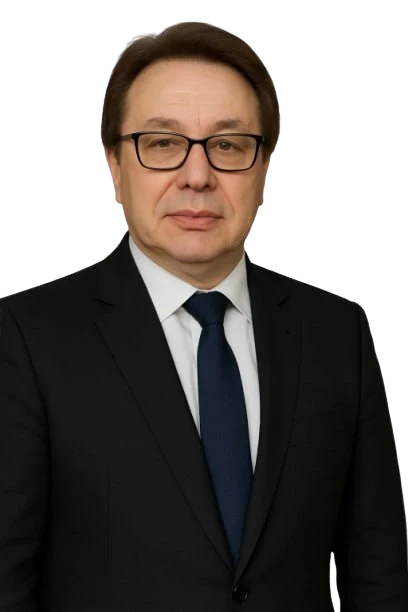
Oleg Molchanov — the attorney — assisted in the case investigation.
An appeal was filed against the court decision (17.03.2025).
Result: The client’s debt was reduced from 121,791 UAH to 44,592 UAH — more than 2.5 times.
What you need to know when signing an agreement with a financial institution:
1. License and status of the institution
Make sure the company has a valid license from the National Bank of Ukraine or another relevant regulator. You can verify this on the official website of the National Bank.
2. Contract terms and hidden fees
Carefully read all sections of the agreement, especially those related to commissions, penalties, fines, insurance, or additional services. Clarify the full cost of the service.
3. Interest rate and the Effective Annual Rate (EAR)
Financial institutions are required to disclose the real (effective) interest rate, which includes all costs. This is the true indicator of how much the loan or service will actually cost.
4. Rights and obligations of the parties
Review what obligations you take on and what obligations the institution has. Pay attention to the procedure for amending the contract and whether unilateral changes are allowed.
5. Dispute resolution and consumer protection
The agreement must contain mechanisms for appealing decisions, filing complaints, and information about supervisory authorities. In Ukraine, a consumer has the right to contact the National Bank or the court.
How to avoid loan debt with a financial organization ?
Realistically assess your financial capabilities
Before taking a loan, calculate whether you can consistently make monthly payments without harming your budget.
Read the contract and understand the real cost of the loan
Pay attention to the effective interest rate, commissions, insurance fees, and late-payment penalties — they determine the actual cost.
Make payments on time and avoid delays
Use reminders, auto-payments, or a calendar to monitor due dates. Even one day of delay can increase your debt.
Repay the loan early if possible
In Ukraine, early repayment penalties are prohibited, so this helps reduce overpayment and avoid debt risks.
Do not take several loans at the same time
Accumulating multiple loans increases the risk of losing solvency. It’s best to close one loan before taking another.

Communicate with the lender if you face financial difficulties
If payment issues arise, notify the institution immediately — restructuring, “payment holidays,” or other relief options may be available.
Additional steps that will help you effectively repay a loan:
- Create a detailed financial plan Determine a fixed amount you can allocate monthly for loan repayment, and optimize your budget by reducing non-essential expenses.
- Direct additional income toward your loan Bonuses, part-time earnings, or tax refunds can be used for partial or early repayment — this reduces overpayment and speeds up loan closure.
- Check your debt status in your online account Regular monitoring helps avoid errors, unexpected charges, and allows you to adjust your repayment schedule.
Effective loan repayment is based on discipline, planning, and regular monitoring. The more actively you manage your finances and communicate with the lender, the faster and safer you can free yourself from debt.
-

- Link copied
-

-

-

-